“Grade Bean” search results (3000)

Indonesian Coffee Bean recommends North Sumatra Grade 1 Manning
Mantenin, which is produced in Sumatra, is a local breed with large particles and is treated by solarization. Manning coffee is a favorite of heavy-flavored coffee drinkers, its taste is delicate and full-bodied, less acidic, but bitter, rich in the original flavor of mellow coffee. North Sumatra level 1 Manning North Sumantra Mandheling Grade 1 North Sumatra province is located on the fifth largest island in the world
2014-10-17 Coffee knowledge Indonesian coffee beans Sumatra Manning coffee
Graded coffee raw bean treatment
At present, there are three main rating criteria for raw coffee beans, and different countries adopt different rating methods according to their own production conditions and national conditions (not all coffee producing countries adopt the same method). Let's introduce these three popular rating methods. One: the reason for the emergence of such a classification standard according to the altitude of the coffee producing area is mainly because of the high level.
2014-09-18 Grading of raw coffee beans and treatment of raw coffee beans
Coffee common sense size specification and grade of coffee beans
A, coffee can be divided into washing type and non-washing type according to specifications, and can also be divided into flat beans and round beans. Washing type: in the sink, after rubbing with water and utensils, the pulp and colloid are removed and dried, which is called washing coffee bean with uniform quality. Non-washing type: after the sun is naturally dried, the pulp and peel is removed by a sheller, and its quality is unstable. The fruit of coffee is made up of two oval shapes
2015-04-24 Coffee common sense coffee beans size specification grade coffee can be divided into
The grade of Ethiopian coffee in Ethiopian coffee producing areas
The grade of Ethiopian coffee: Ethiopian water washed coffee Yega Xuefei, the highest grade of Yirgacheffe and Sidamo may be level 2 or 3 (G2 or G3), and most sun-processed coffee in eastern Ethiopia is grade 4 or 5 (G4, G5). In many cases, level 4 coffee is marked as level 5 in order to reduce taxes. The current classification is not very uniform.
2016-05-29 Ethiopia coffee grade producing area
The way of sieve grading is to grade according to the size of raw coffee beans. The raw bean passes through the iron with holes.
The way of grading according to the screen is the method of grading according to the size of raw coffee beans. Raw beans are graded by determining the size of the beans through a holed iron plate sieve. The size of the hole in the screen is 1x64 inches (less than 0.4mm), so the size of the screen indicates that there are several screens with a size of 64 inches. For example, the size of the screen size 17 is 17thumb 64 inches, which is about 6.75mm, so the screen
2016-05-10 Sieve grading way is pressed coffee raw beans size method pass hit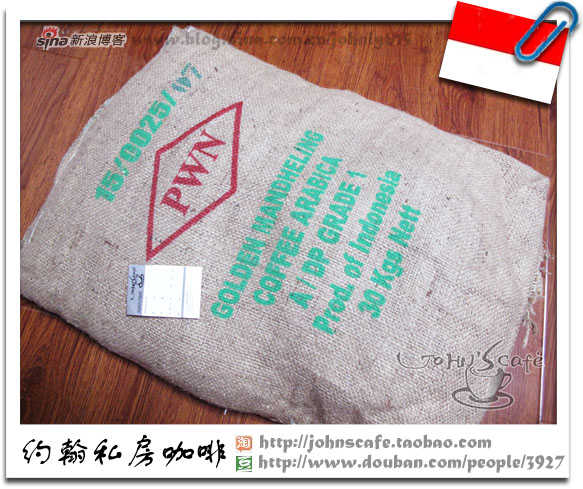
Description of Flavor of Fine Coffee Bean producing area in Indonesia introduction of Brand Grade characteristics of PWN Gold Mantenin Coffee Bean
Mandailing seems to be synonymous with Indonesian boutique coffee. In fact, Mantenin is not the name of Indonesian place name, producing area, port or coffee variety, but is the phonetic pronunciation of Mandaining, an ethnic group originally living in Sumatra. Why do I have anything to do with coffee? When
2022-12-08 Boutique coffee beans P.W.N gold Mante golden mand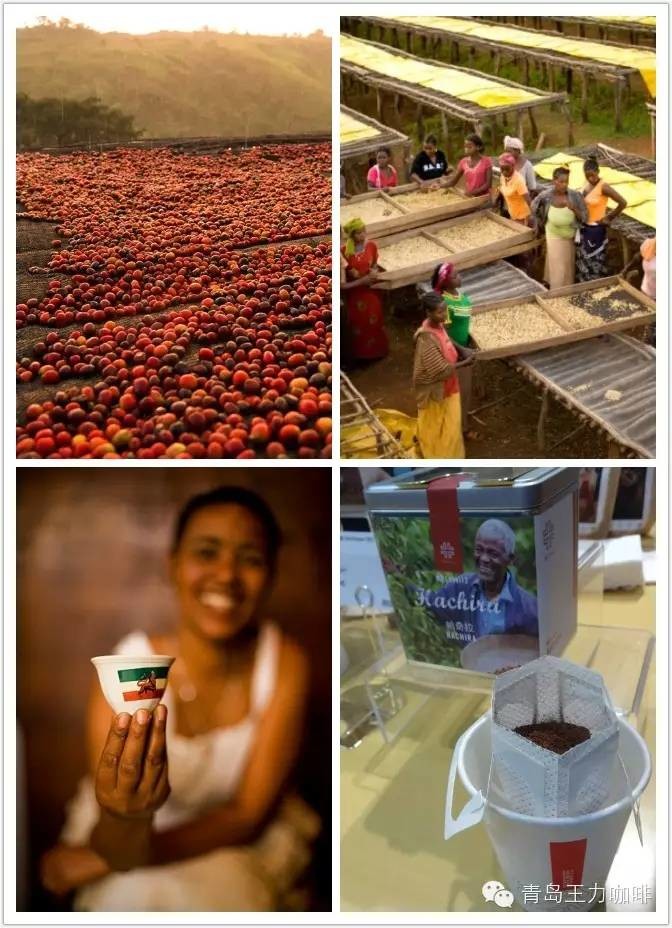
Coffee Bean selection course Coffee Bean Brand Guide Kenyan Coffee AA Yala Manor Pearl beans
With the deepening of people's contact with coffee, ordinary taste can no longer meet people's needs. As a result, more and more coffee lovers will buy their own beans and go home from the beginning of grinding, blending their favorite coffee flavor step by step. The size of coffee beans
2016-04-19 Coffee beans shopping tutorials brands types guides Kenya coffee Yala Zhuang
Classification standard of coffee raw beans for fine coffee
There are two ways to classify raw coffee beans, one is the filter number, and the other is the elevation. It is divided by the number of the filter screen, and the size is in the unit of the screen (size). Round beans are generally smaller than flat beans, between 8-13 and 12-29. 8, 9, 10. 12, 13. 18. 29 = small, medium, ordinary. Quasi-big. Big, extra large. The bigger the size, the bigger the beans. Like SC.
2014-09-03 Coffee knowledge boutique coffee beans coffee raw beans coffee bean grading
The grade of Ethiopian coffee
The highest grades of Ethiopian washed coffee Yega Chuefei G1 G2 Sidamo (Yirgacheffe, Sidamo) are Grade 2 and Grade 3 (G2, G3), while most of the sun-processed coffee in eastern Ethiopia are Grade 4 or Grade 5 (G4, G5). In many cases, level 4 coffee is marked as level 5 in order to reduce taxes. At present, the grading is not uniform and messy, because there is also sun processing.
2016-06-01 Ethiopia coffee grade
The grade of Ethiopian coffee
Grade of Ethiopian coffee: Ethiopian washed coffee Yega Chuefei G1 G2 Sidamo (Yirgacheffe, Sidamo) has the highest grades 2 and 3 (G2, G3), while sun-processed coffee in eastern Ethiopia is mostly grade 4 or 5 (G4, G5). In many cases, level 4 coffee is marked as level 5 in order to reduce taxes. At present, the classification is not uniform and there are
2016-06-02 Ethiopia coffee grade
Raw bean wholesale price Kenya AA grade coffee raw bean home Tuji processing plant washing treatment 2016 new season
Kenya, located in East Africa, is one of the major coffee producing countries. More than 6 million people in the country are engaged in the coffee industry, mostly in the form of a combination of small farmers and cooperatives. Coffee trees in Kenya are mostly planted at 1400-2000 meters above sea level, and the growing areas include Ruiri,Thika, Kirinyaga, Mt.KenyaWest, Nyeri, Kiambu and Muranga. With Mt.Kenya and Aberdare
2016-04-13 Raw beans Wholesale Price Kenya Coffee Raw Bean Home Tuji processing Plant Water washing Department
Introduction of raw bean grade of Ethiopian coffee boutique coffee
Although the Ethiopian Yirgacheffe coffee is petite, it is gentle and delicate and sweet. As the hometown of coffee, thousands of years of planting history and processing tradition in Ethiopia have created high-quality washed Arabica beans. Light baking has unique sweet aromas of lemon, flowers and honey, soft acidity and citrus flavors, fresh and bright on the palate. No.
2015-12-14 Ethiopia coffee boutique raw beans grades introduction Yega
Standard for grading of fine coffee beans, common sense coffee and raw beans
It is divided by the number of the filter screen, and the size is in the unit of the screen (size). Round beans are generally smaller than flat beans, between 8-13 and 12-29. 8, 9, 10. 12, 13. 18. 29 = small, medium, ordinary. Quasi-big. Big, extra large. The bigger the size, the bigger the beans. SC-19, for example, is the No. 19 bean. According to the elevation of the cultivated land, it can be divided into seven grades.
2015-01-13 Boutique coffee beans common sense coffee raw beans grading standards filtering number size
Graded high-quality coffee beans
There are two ways to classify raw coffee beans, one is the filter number, and the other is the elevation. It is divided by the number of the filter screen, and the size is in the unit of the screen (size). Round beans are generally smaller than flat beans, between 8-13 and 12-29. 8, 9, 10. 12, 13. 18. 29 = small, medium, ordinary. Quasi-big. Big, extra large. The bigger the size, the bigger the beans. Like SC.
2014-09-13 Grading of raw coffee beans boutique coffee beans
Ethiopian coffee grade washed coffee Yega Xuefei
The highest grades of Ethiopian washed coffee Yega Chuefei G1 G2 Sidamo (Yirgacheffe, Sidamo) are Grade 2 and Grade 3 (G2, G3), while most of the sun-processed coffee in eastern Ethiopia are Grade 4 or Grade 5 (G4, G5). In many cases, level 4 coffee is marked as level 5 in order to reduce taxes. At present, the grading is not uniform and messy, because there is also sun processing.
2016-05-31 Ethiopia Coffee Grade Water washing Yega Sheffield
Ethiopia Yega Sheffield Coffee Bean grows Raw Bean G2 Yega Chefe
Ethiopia has the longest history in the world, not only in coffee production and drinking, but also in the world. Most of the production is exported to advanced countries, and unlike other coffee-producing countries, 50% of the coffee produced in Ethiopia is consumed domestically. Nevertheless, more than 60% of Ethiopia's total foreign currency exports still come from the coffee trade, which is enough to replace
2016-05-04 Esso Biya Yega Chevy Coffee Bean planting Raw Bean Ethiopia only in
Fine Coffee learn how to choose fresh Coffee beans
The difference between the taste of large coffee beans and small coffee beans for the same kind of coffee, the bigger the beans are, the higher the grade is, the smaller the beans are, the lower the grades are, and the cheaper they are. Of course, there are differences in taste. The bigger the beans, the stronger the coffee. However, in addition to high-grade products, the classification of other coffee is not very strict, for example, the central grade beans can account for 60%. Then it's bigger than this level.
2014-10-08 Coffee knowledge boutique coffee science fresh coffee beans
Grading standard of raw coffee beans
There are two ways to classify brown raw beans, one is to filter the number, and the other is to divide it by elevation. It is divided by the number of the filter screen, and the size is in the unit of the screen (size). Round beans are generally smaller than flat beans, between 8-13 and 12-29. 8, 9, 10. 12, 13. 18. 29 = small, medium, ordinary. Quasi-big. Big, extra large. The bigger the size, the bigger the beans. Like SC-1.
2014-08-20 Coffee knowledge grading standards coffee raw beans![[literacy] have you made a clear distinction between the coffee bean grading criteria? (below)](https://www.coffeesearch.net/uploads/151014/3-151014134400423.jpg)
[literacy] have you made a clear distinction between the coffee bean grading criteria? (below)
There are different ways to manage the origin of coffee beans, some are composed of large and small farmers, some are dominated by professional business owners, even if the coffee in the same place, its quality and flavor are also different, in order to mark the quality of coffee, but also in order to make the transaction more convenient, so there is coffee grading. Highly classified by origin: Guatemala, brother
2015-10-14 Literacy coffee beans grading standards distinction
Three steps teach you to judge the freshness of coffee beans.
The difference between the taste of large coffee beans and small coffee beans for the same kind of coffee, the bigger the beans are, the higher the grade is, the smaller the beans are, the lower the grades are, and the cheaper they are. Of course, there are differences in taste. The bigger the beans, the stronger the coffee. However, in addition to high-grade products, the classification of other coffee is not very strict, for example, the central grade beans can account for 60%. Then it's bigger than this level.
2016-05-25 Three steps teach you judge coffee beans fresh degree large grains taste